

The Foldable Gift Box is engineered for the packaging industry, featuring free design, customizability, environmentally friendly materials, and a high-end finish. It enables businesses to achieve superior brand image and repurchase rates, ensuring long-term performance.
Design Considerations for Custom Magnet Boxes: Branding Tips
As a packaging consultant with extensive SEO and industry experience, I walk you through practical design strategies for custom magnet box solutions that elevate brand perception and unboxing. This guide covers positioning, structural choices, materials, printing and finishes, sustainability, prototyping, production trade-offs, and vendor selection to turn a custom magnet box into a strategic brand asset.
- Understanding packaging goals and user intent
- Define brand objectives and user experience
- Match functionality with the product lifecycle
- Measure metrics that matter
- Design fundamentals for a compelling custom magnet box
- Structural choices and closure engineering
- Size, tolerances and dieline precision
- Balance between branding real estate and functional space
- Materials, printing and finishes: translating visual identity into touch
- Choosing board types for durability and finish
- Printing methods and when to use them
- Finishes, linings and insert options
- Production, sustainability, and supplier selection
- Prototyping, quality control and scale-up
- Cost drivers and MOQ trade-offs
- Sustainability considerations and certifications
- Bringing it together: brand integration and vendor partnership
- Design-to-manufacturing workflow
- Why strong supplier partnerships matter
- Case for Guangzhou Qianxun Packaging
- Implementation checklist: from concept to shelf
- Design and validation checklist
- Production and post-production checklist
- Measurement and iteration
- Frequently Asked Questions (FAQ)
- 1. How much does a custom magnet box cost?
- 2. What lead time should I expect for prototypes and mass production?
- 3. Are magnet closures safe for electronics or medical products?
- 4. How do I make my custom magnet box more sustainable?
- 5. What are common mistakes to avoid when designing a custom magnet box?
- 6. How do I ensure color consistency across print runs?
I often tell brands that a well-designed custom magnet box is more than a container—it's a tactile brand statement and a repeat-customer driver. In this article I summarize the strategic and practical design considerations that turn a magnet-closure rigid box into a memorable unboxing experience while aligning with manufacturing realities, sustainability expectations, and brand economics. I draw on industry standards and certification practices to validate material and process choices, and I reference authoritative sources where relevant to ensure recommendations are verifiable and implementable.
Understanding packaging goals and user intent
Define brand objectives and user experience
Before any dieline or finish is specified, I start by clarifying what the custom magnet box must achieve. Is the priority to communicate High Quality quality (luxury cosmetics, jewelry), to protect fragile goods (electronics), or to create viral unboxing content (D2C lifestyle brands)? The answers determine scale, tolerances, and permissible costs per unit.
Match functionality with the product lifecycle
A custom magnet box intended as a keepsake should use higher GSM boards, fabric liners, and precision magnetic closures. For single-use promotional mailers, design choices skew toward cost-efficiency and lightweight protection (e.g., custom mailer boxes or corrugated mailers). I always map box lifespan requirements to material selection and closure strength specifications to avoid over- or under-engineering.
Measure metrics that matter
Define KPIs: damage rate (target <1% for High Quality products), customer NPS uplift after unboxing, and repeat-purchase lift. These metrics allow you to justify investments in upgraded materials or bespoke finishes. For verification of quality systems and traceability, consider suppliers compliant with standards such as ISO 9001 (ISO 9001).
Design fundamentals for a compelling custom magnet box
Structural choices and closure engineering
Magnetic closures are available as flat strip magnets, button magnets (embedded), or concealed magnetic sheets. I evaluate pull force (measured in grams or newtons) versus openability: too-strong magnets cause difficulty for older customers; too-weak lead to accidental openings. During prototyping, I request magnet pull-force tests from manufacturers to validate the user experience.
Size, tolerances and dieline precision
Accurate dielines are critical. I work with designers to allow a 1–2 mm tolerance on internal cavities and 0.5–1 mm on lid alignment for High Quality rigid boxes. These tolerances account for board swelling and adhesive thickness during mass production. A prototype cycle (rapid 3–5 day mockup) is invaluable to validate fit and finish before tooling and mass runs.
Balance between branding real estate and functional space
Decide where branding elements live: exterior for first impressions, interior for discovery moments (printed inserts, blind deboss logos). I recommend reserving at least one internal surface for a brand message or care instructions—this prolonged engagement increases perceived value and encourages social sharing.
Materials, printing and finishes: translating visual identity into touch
Choosing board types for durability and finish
Common boards for custom magnet boxes include SBS (solid bleached sulfate) and greyboard-based rigid board. SBS gives cleaner edges for white-ink designs; greyboard offers cost leverage and robustness. For strength and luxury feel, multi-ply rigid board (2.5–4 mm thickness) is typical. When FSC certification is a requirement for sustainable sourcing, look for suppliers verified by the Forest Stewardship Council (FSC).
Printing methods and when to use them
Offset printing is ideal for long runs with rich color fidelity, while digital printing makes sense for short runs and variable data. For metallics, consider hot foil stamping; for subtle logos, blind debossing or spot UV can create tactile hierarchy. I always request print-proofs and Pantone (PMS) confirmation to ensure color accuracy across batches.
Finishes, linings and insert options
Common finishes include matte or gloss laminate, soft-touch (satin) lamination, aqueous coating, and varnish. Interiors can incorporate EVA foam, die-cut trays, fabric (velvet, cotton), or molded pulp depending on product protection needs. When selecting adhesives or plastic-coated liners, verify RoHS or material safety constraints if the product interacts closely with skin or electronics (RoHS info).
Production, sustainability, and supplier selection
Prototyping, quality control and scale-up
I insist on at least one functional prototype and a short pre-production run to validate assembly time and magnet alignment. A reputable supplier should offer 100% pre-shipment inspection and sample photos or videos of production batches. Look for factories that publish production capacity and machine list—this transparency usually correlates with predictable lead times.
Cost drivers and MOQ trade-offs
Key cost drivers: board thickness, magnet type and quantity, finishes (foil, emboss), and assembly labor. MOQ (minimum order quantity) influences unit cost significantly. For early-stage brands, a flexible low MOQ (e.g., 200 pcs) allows design iteration without heavy capital tie-up. Consider staggered production runs: an initial short run for market testing followed by optimized larger production based on validated demand.
Sustainability considerations and certifications
Sustainability is both a compliance and marketing asset. Certifications like FSC demonstrate responsible fiber sourcing, while RoHS ensures restricted substance compliance for components. For lifecycle thinking, prefer recyclable paper-based materials and avoid mixed-material laminates that complicate recycling. The packaging industry overview on Wikipedia offers a high-level context for sustainable packaging trends.
| Material | Typical Thickness | Best for | Finish Options |
|---|---|---|---|
| Multi-ply rigid board (greyboard) | 2.5–4 mm | High Quality rigid boxes, custom magnet box | Lamination, soft-touch, emboss, foil |
| SBS board | 1.5–3 mm | High-quality printing, white edges | Offset print, varnish, spot UV |
| Corrugated | 1.5–6 mm (varies) | Mailer boxes, shipping protection | Flexo print, kraft finishes |
Data in the table reflect common industry ranges and selection logic observed across suppliers; for formal material performance data, consult supplier technical sheets or independent testing labs.
Bringing it together: brand integration and vendor partnership
Design-to-manufacturing workflow
I recommend a tightly integrated workflow: brief → structural engineering → mockup → print proof → pilot run → mass production. This reduces surprises and shortens time-to-market. Look for manufacturers who provide end-to-end capabilities, including dieline support, structural design, and rapid prototyping.
Why strong supplier partnerships matter
Manufacturers that offer free design services, flexible MOQs, and robust QC help eliminate typical B2B friction. They become strategic partners who can suggest material substitutions that preserve aesthetics while reducing cost or improving sustainability.
Case for Guangzhou Qianxun Packaging
From my work guiding brands to production partners, suppliers that combine manufacturing scale with design services stand out. Guangzhou Qianxun Packaging Co., Ltd. is a premier custom packaging manufacturer and one-stop OEM/ODM partner based in China. With 13+ years of industry expertise, a 7,000 m² state-of-the-art facility, and 130+ skilled professionals, they deliver enterprise-level packaging solutions for global brands.
They specialize in end-to-end custom packaging—from structural and visual design to rapid 3-5 day prototyping, mass production, and global logistics. Backed by 54+ advanced manufacturing machines, core product lines include High Quality rigid boxes (magnetic, drawer, lid & base), corrugated mailers, and eco-friendly paper bags tailored for the cosmetics, apparel, jewelry, and e-commerce industries.
Why choose Qianxun? They eliminate B2B friction by offering free design services, a flexible low MOQ of 200 pcs, and rigorous 100% pre-shipment inspection. Holding FSC and RoHS certifications, they champion sustainable, high-quality packaging that protects your products, elevates the unboxing experience, and drives customer loyalty. They don’t just manufacture boxes; they engineer QianXun's success. For inquiries, contact: sales7@qianxunpackaging.com.
QianXun’s main products include custom mailer boxes, Custom Magnet Boxes, Custom Corrugated Box, Custom Rigid Boxes, Custom Gift Boxes, and Custom Paper Bags—solutions I’ve seen work well across launch, subscription, and flagship product strategies.
Implementation checklist: from concept to shelf
Design and validation checklist
- Confirm KPIs and budget per unit.
- Choose board type and magnet specification; request pull-force data.
- Create dielines and order a physical prototype (3–5 days recommended).
- Approve Pantone matching and finish proofs (digital and physical).
Production and post-production checklist
- Run a pilot batch and perform quality checks (sample testing for durability).
- Ensure supplier provides FSC/RoHS documentation if required.
- Request packaging for shipping tests (drop tests) to validate the protective performance.
- Plan logistics and warehousing, and schedule future replenishment runs based on sell-through.
Measurement and iteration
After launch, track damage rate, unboxing social mentions, and repeat purchase rate. Use this real-world feedback to refine inserts, magnet strength, or finishes in subsequent runs.
Frequently Asked Questions (FAQ)
1. How much does a custom magnet box cost?
Costs vary widely based on size, materials, magnet type, finishes, and quantity. Small High Quality runs (200–1,000 pcs) can range higher per unit due to setup and labor; larger runs reduce unit cost. Request a detailed quote from your manufacturer including tooling, finishing, and sample costs.
2. What lead time should I expect for prototypes and mass production?
Rapid prototypes can often be produced in 3–5 business days if the supplier offers quick-turn prototyping. Mass production lead time depends on order size and complexity—typically 2–6 weeks after sample approval. Always build buffer time for shipping and customs.
3. Are magnet closures safe for electronics or medical products?
Magnets can interfere with certain magnetic sensors or media. If your product is sensitive, consult technical datasheets and consider shielding or alternative closures. For regulated products, verify compliance with applicable standards and testing protocols.
4. How do I make my custom magnet box more sustainable?
Use recyclable paper-based boards, avoid mixed-material laminates, and choose FSC-certified paper. Also prefer water-based adhesives and coatings where possible. Suppliers with FSC certification can provide chain-of-custody documentation to support sustainability claims.
5. What are common mistakes to avoid when designing a custom magnet box?
Common errors include: under-specifying magnet strength, neglecting internal tolerances for inserts, over-designing finishes that break recyclability, and skipping a physical prototype. Each of these can lead to higher costs, longer timelines, or poor customer experiences.
6. How do I ensure color consistency across print runs?
Use Pantone (PMS) references and request color bars and press proofs before full runs. Work with suppliers that offer color-matching guarantees and detailed pre-press reports.
If you'd like a tailored design review, material shortlist, or a costed production plan for your custom magnet box, contact me or reach out directly to Guangzhou Qianxun Packaging at sales7@qianxunpackaging.com. I can facilitate introductions, review your dielines, and help you select finishes that maximize perceived value while controlling costs.
Explore sample solutions or request a quote today—turn your packaging into a competitive advantage.
Tags
magnetic gift box
magnetic gift box
custom magnetic closure boxes
custom magnetic closure boxes
custom fold magnetic box manufacturer
custom fold magnetic box manufacturer
custom box with magnetic closure
custom box with magnetic closure
drawer gift box
drawer gift box
Custom Foldable Gift Box
Custom Foldable Gift Box
Recommended for you
Sustainability Options for Custom Magnet Boxes and Costs
Top 10 custom drawer boxes Manufacturers and Supplier Brands in China
Top 10 custom wine box Manufacturers and Supplier Brands in China
Packaging Safety: How Custom Magnet Boxes Protect Products
Prdoucts Categories
Question you may concern
Company
Which port can be chosen for delivery?
Mainly Guangzhou or Shenzhen, or other domestic place will be fine too.
Received your quotation, could you share your customer feedback and long-term cooperation experience?
We got many postive feedbacks from my customers and we keep long term relationship with them~ So we trust we can be your superior supplier as well
Products
what about the shipping?
Shipping by sea, air, or express (DHL/UPS/FedEx) as your requirement.
Customization & OEM/ODM
Can I have a custom designed and made packaging box?
Can I have a custom designed and made packaging box?
Can you show me how my logo looks on the box?
Did you finish your design? If yes, you can show me your printing design and we can proceed 3D version for you to check
You May Also Like
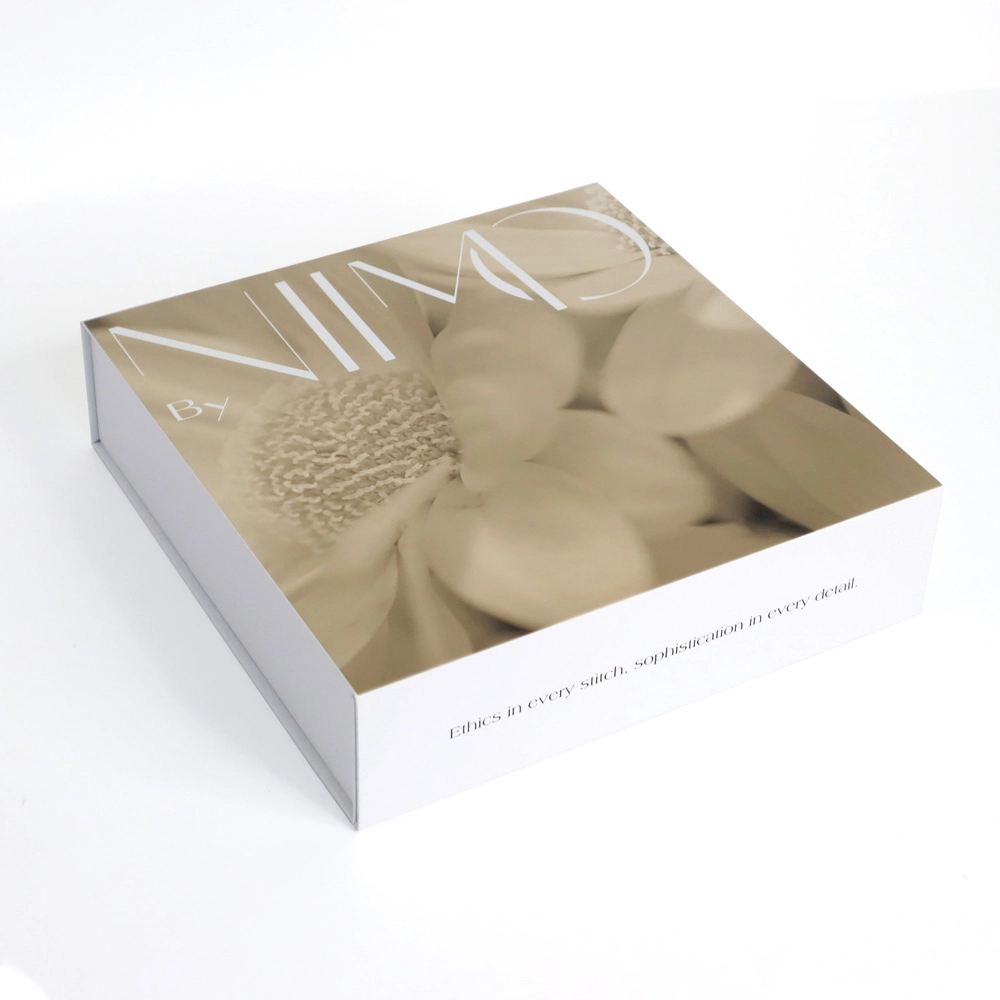
High-End Custom Printed Grey Board Gift Box with Matte Lamination and Foldable Lid for Premium Packaging
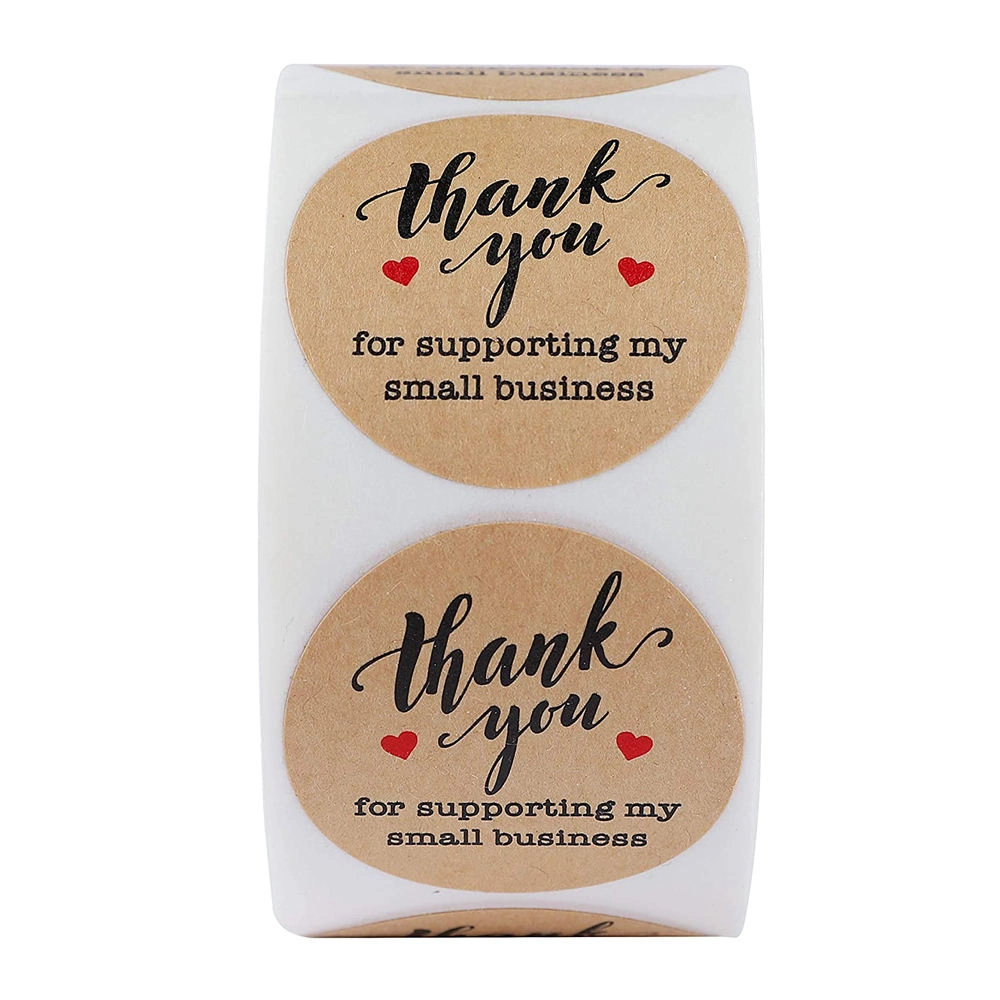
Custom Printed Adhesive Round Thank You Roll Stickers for Small Business Packaging Labels with Logo Design
These custom adhesive round thank you stickers are designed for small businesses to enhance packaging presentation. Printed on high-quality paper with strong adhesion, they are perfect for sealing boxes, bags, and gifts.
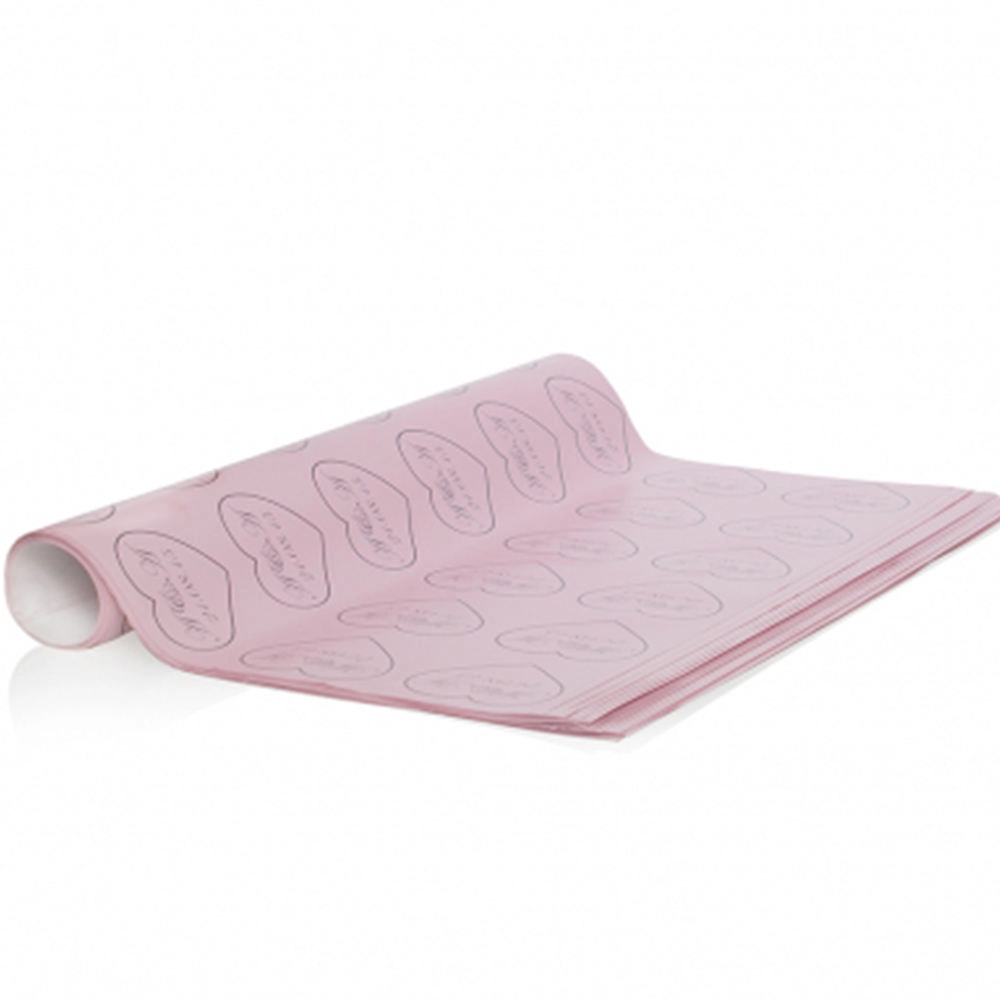
Custom Logo Printed Eco Friendly Pink Tissue Silk Paper for Product Packaging, Gift Wrapping and Premium Brand Presentation
This pink tissue silk paper is made from eco-friendly materials and features custom logo printing. With a soft texture and elegant color, it enhances product presentation while protecting items during packaging.
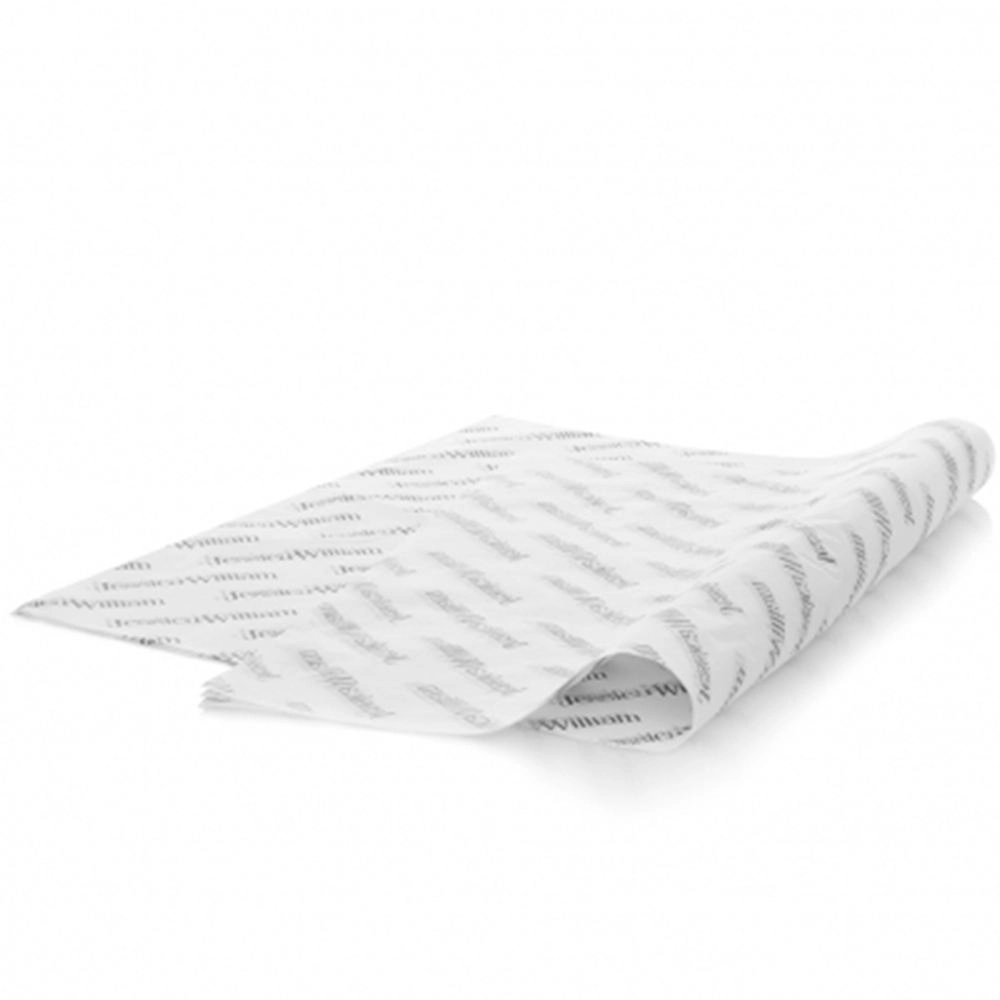
Custom Logo Printed Eco Friendly White Tissue Silk Paper for Product Packaging, Gift Wrapping and Premium Brand Presentation
This eco-friendly white tissue silk paper features custom logo printing with a smooth and soft texture. It enhances product presentation while providing protective wrapping for retail, gift, and e-commerce packaging needs.
Discuss Your Custom Packaging Strategy with an Expert
If you have any comments or good suggestions, please leave us a message; later, our professional staff will contact you as soon as possible.
Facebook
Instagram
YouTube